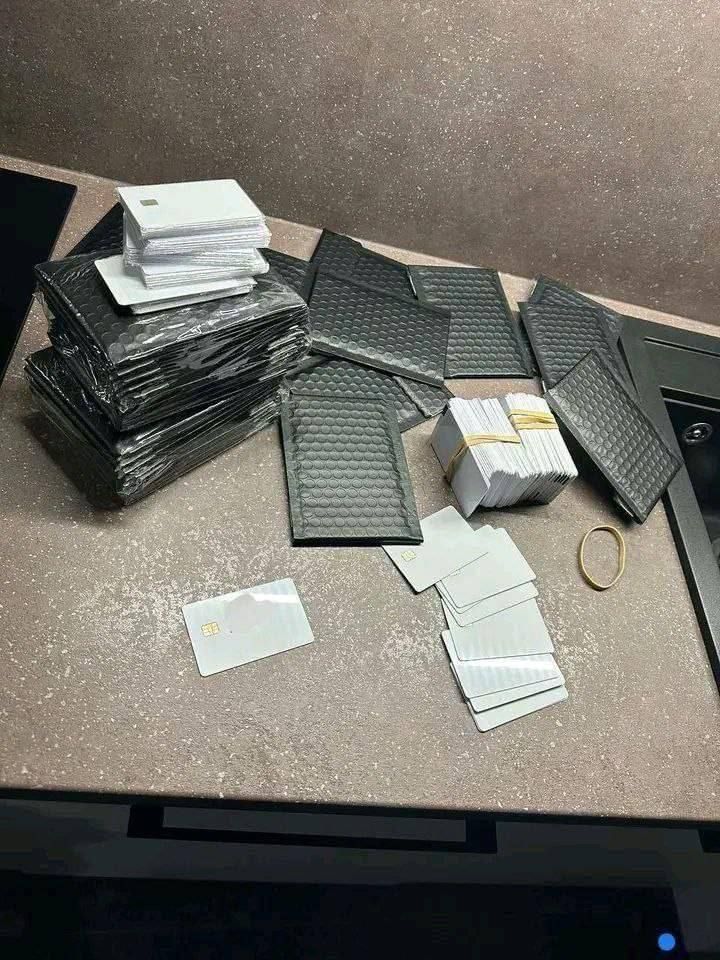
Buy Clone copyright UK and USA. low-cost debit cards over the internet in the UK, often marketed as "clone cards," presents a significant danger to consumer security. Sadly, card cloner the practice of buying these replicated cards, frequently offered through unreliable websites, is invariably illegal and carries dire consequences. These cards, usually obtained through fraudulent means, are often linked to stolen identities and expose purchasers to potential liability and permanent detriment to their reputation. Law enforcement are aggressively working to dismantle these operations, making the entire venture a highly perilous undertaking.
Clone Cards for Sale UK: What You Need to Know
The rise of fake cards available for acquisition in the UK has become a growing issue. These illegitimate "clone cards," often displayed online, are typically created using stolen credit or debit card data. It’s absolutely crucial to understand that possessing or using such cards is a crime and carries substantial punishments, including custodial sentences and hefty cash fines. Victims of this type of fraud suffer significant economic losses and emotional distress. Authorities are intensively working to combat this illegal trade, but understanding among the public is the best defense against becoming a target. Never consider purchasing or using these cards; report any questionable offers to the appropriate authorities immediately.
UK copyright: Understanding the Risks and Legality
The prevalence of compromised card data has led to a rise in "cloned" cards operating within the UK. These cards, essentially replicas of genuine payment instruments, pose a significant risk to both consumers and financial institutions. Understanding the legal framework surrounding these activities, and the associated likely pitfalls, is crucial. Creating or using a cloned card is unequivocally illegal, falling under the umbrella of fraud offenses as defined by the Fraud Act 2006. Penalties can be significant, including imprisonment and hefty fines. Victims of card cloning may experience considerable losses and a harmed credit rating.
Here's a breakdown of the key concerns:
- Risk to Consumers: Unauthorized transactions can occur when card details are stolen and cloned.
- Impact on Businesses: Businesses may face chargebacks and reputational damage.
- Legal Consequences: Both those creating and utilizing copyright face criminal prosecution .
- Prevention is Key: Being vigilant about protecting your card details is the primary defense.
Financial institutions have implemented sophisticated security measures to detect and prevent fraudulent activity, but consumers must also remain informed of the risks and take proactive steps to protect their personal and financial information.
Where to Buy copyright in the UK? (And Why You Shouldn't)
The question of "where can I obtain copyright in the UK?" surfaces frequently, but it's vital to understand that seeking out such services is a crime and carries serious penalties. While you might encounter online forums or shadowy individuals offering to provide these fraudulent cards, any such offer is almost certainly a scam or part of a wider criminal enterprise. There are no legitimate avenues for purchasing copyright. These individuals usually target vulnerable people or those seeking a quick, simple solution to financial difficulties. Instead of searching for illegal alternatives, here's why you shouldn't, and what solutions are available if you're facing money problems:
- Serious Legal Ramifications: Engaging in card cloning is a felony with potential jail time and substantial fines.
- Danger of Scams: The individuals supplying these cards are often scammers looking to steal your money or personal information.
- Negative Impact to Your Credit: Using a cloned card will inevitably lead to fraud detection and a ruined credit profile.
- Lost Identity: You risk having your identity compromised for further illegal activities.
If you’re struggling financially, reach out to reputable sources for assistance. Consider: debt advice charities, government benefits, or speaking with a financial advisor. There's no excuse for resorting to illegal activities like card cloning. Remember, integrity and legal compliance are always the best path.
copyright UK: Scams, Dangers, and the Law
The rise of stolen cards in the UK presents a worrying risk to consumers . Often referred to as “cloned” cards, these are typically replicated debit or credit cards created using illegally obtained data, usually through skimming devices at ATMs or point-of-sale terminals. This illegal practice can lead to considerable financial losses for victims, as well as fraudulent activity . Authorities like the police are actively investigating these scams, and offenders face harsh penalties under UK law, including fines and potential prison sentences. Victims must immediately report their bank or card provider if they suspect their card has been cloned and take steps to monitor their account statements for suspicious transactions. Staying aware and protecting your personal details is crucial in preventing becoming a target of this type of dishonest scheme.
Is Buying Clone copyright in the UK Worth It?
The allure of getting replica debit or credit cards, often termed "clone cards," online in the UK is clearly tempting for some users, promising simple access to funds. However, the is a deeply illegal proposition with serious consequences. Generally, these cards are produced using stolen data, making their purchase and use a obvious violation of the law, carrying likely penalties including substantial fines and potentially imprisonment. Furthermore, there's no assurance that the cards will work as advertised; you might obtain a worthless piece of plastic or, worse, become a target of a sophisticated criminal operation, putting your own financial information at serious risk. Hence, while the idea might seem appealing initially, buying clone copyright is positively not worth the tremendous legal and personal dangers involved.
copyright Sales UK: A Guide to Illegal Activity
The proliferation of copied credit and debit plastic in the UK presents a significant risk to both consumers and lenders. This criminal scheme typically entails acquiring card data – often through complex phishing scams or card-reading devices – and then using that details to produce replicas. Selling these bogus payment cards is a punishable violation under UK law, with possible punishments ranging from substantial fines and a term in prison. Understanding how these rings work is crucial for avoiding becoming a casualty and aiding law enforcement in stopping this increasing problem.
UK Authorities Crack Down on Cloned Card Sales
Law police in the United Kingdom have intensified their effort against the unlawful distribution of cloned credit and debit cards. Recent actions have targeted online marketplaces and brick-and-mortar locations where these fake cards are sold for gain. Authorities believe the scale of the problem is substantial, impacting consumers and financial banks across the country, and are committed to apprehending those involved this criminal activity to account and seizing the stolen funds.
Protect Yourself: The Truth About copyright in the UK
Card cloning is a increasing threat in the UK, and understanding how fraudsters operate is essential to securing your finances. Fake cards are typically created by stealing your card details – often through skimming at ATMs or point-of-sale terminals, or via phishing scams. These information are then used to create a card that looks like yours, allowing the thief to make unauthorized transactions. Be careful when using your card and report any suspicious activity immediately. Here are some tips you can take:
- Regularly check your bank transactions for any unfamiliar charges.
- Cover your PIN when entering it at ATMs.
- Look out for suspicious emails or messages asking for card numbers.
- Consider transaction notifications from your bank.
- Keep your card safely and cancel it immediately if it's missing .
Remember, remaining informed is your greatest defense against card cloning.